

What Is a Roof Warranty and Why Does It Matter?
A roof warranty is an agreement that offers protection and peace of mind if roofing materials fail or if issues arise after installation. It matters because roof repairs can be costly, and a valid warranty can mean the difference between an unexpected expense and no out-of-pocket cost.
For area households, understanding the details of your warranty—coverages, timeline, and requirements—is key to making sure you’re not left navigating repairs alone during upstate New York’s unpredictable weather.
What Kinds of Roof Warranties Are Commonly Available?
There are two main types of roof warranties: manufacturer warranties and workmanship warranties. Each covers different risks.
*Manufacturer Warranties*: These cover defects in roofing materials, such as shingles, underlayment, or membrane. If the shingles start to crack or lose granules far earlier than expected, this type of warranty applies.
*Workmanship Warranties*: Provided by the installer, these guarantee the quality of installation. If problems pop up due to how the roof was put on, rather than from product failure, the installer’s workmanship warranty is relevant.
Most homes in the community use asphalt shingles, metal, or occasionally flat roofing products. Manufacturer material warranties are generally standard (often 20–50 years for asphalt shingles), while workmanship warranties can vary widely—sometimes ranging from 1 year to a lifetime, depending on who performed the installation.
What Do Roof Warranties Typically Cover—and Exclude?
Roof warranties sound reassuring, but they rarely cover everything. As a rule, material warranties cover only defects from factory errors, not damage from wind, tree limbs, ice dams, or lack of maintenance.
Commonly covered:
- Premature failure of roofing materials due to manufacturing errors
- Major shingle or material breakdown not caused by outside forces
Commonly excluded:
- Storm, hail, or wind damage (these fall under homeowners’ insurance)
- Normal wear and tear
- Improper installation
- Leaks due to clogged gutters or lack of general maintenance
A workmanship warranty may cover:
- Leaks caused by poor installation practices
- Fastener issues or improperly sealed flashing
It typically will not cover:
- Roof issues resulting from owner neglect or failure to follow maintenance guidelines
- Deterioration caused by other trades (e.g., satellite dish installers)
How Long Do Roof Warranties Last?
Roof warranty length depends on the manufacturer and product. Asphalt shingles, which make up the majority of Seneca Falls homes, usually carry a material warranty of 20 to 30 years, though “lifetime” terms are also common. Metal roofs often tout longer warranties (sometimes 40+ years).
Workmanship warranties are much shorter—often one to ten years. Some installers offer lifetime coverage, but this usually means they will fix their installation errors only as long as you own the home.
It is common for a warranty to be “prorated,” which reduces the coverage amount as the roof ages. For example, a 30-year shingle might only provide full replacement in the first decade, then decrease compensation after that window passes.
What Voids a Roof Warranty?
Routine maintenance is expected by manufacturers and installers. If a homeowner in the area fails to clear moss, keep gutters open, or fix minor problems promptly, these warranties can be voided.
Other common ways warranties are voided include:
- Using incompatible products, like installing a new roof layer over old materials not approved by the manufacturer
- Altering the roof, such as adding solar panels or skylights, without following the warranty process
- Hiring unlicensed or unapproved installers (many manufacturers want certified pros for their product lines)
- Failing to register the warranty—some require paperwork after a new roof is installed
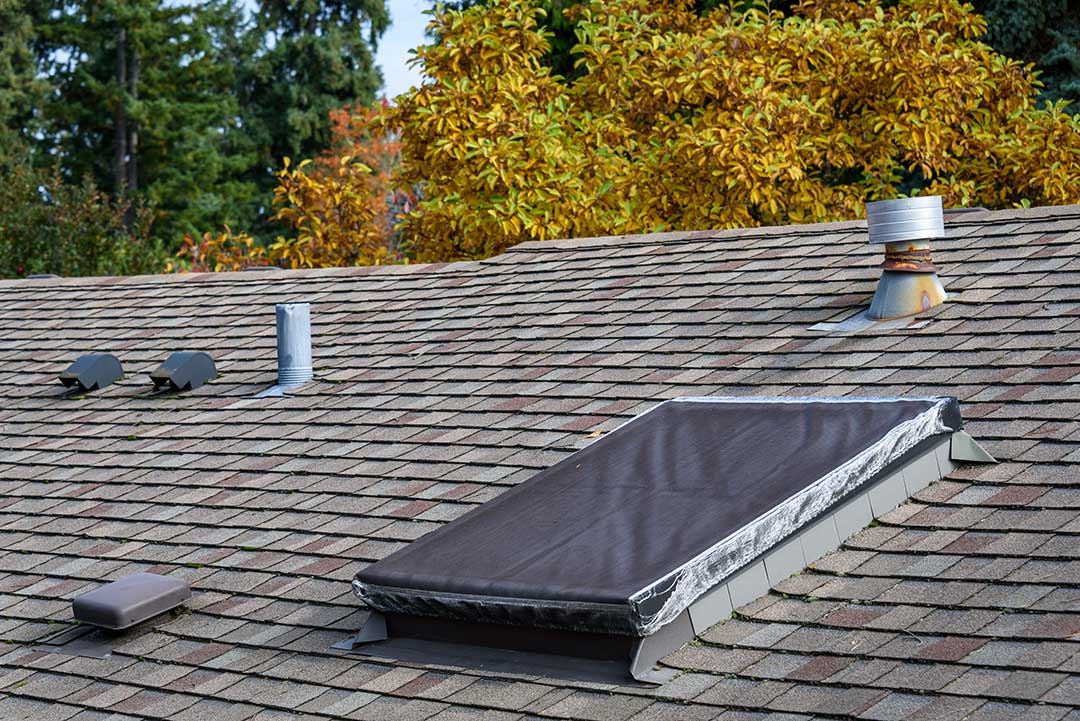
Homeowners in the city’s older neighborhoods should be aware that roofs with multiple prior repairs or added layers may be ineligible for new manufacturer warranties altogether.
How Do Weather and Climate in Seneca Falls Affect Warranty Concerns?
Heavy winter snow, freeze-thaw cycles, and high spring winds in this region mean local roofs work hard. While warranties protect against product defects or installation errors, they do not act as a full insurance policy.
Ice dams, which are common along the edges of local roofs, aren’t considered a warrantied issue—proper attic ventilation, insulation, and regular clearing are the homeowner’s responsibility. Similarly, the high winds that occasionally sweep through the area may lead to shingle damage not covered by warranties but relevant for homeowner’s insurance claims.
Residents often ask if winter installations impact warranties. Most manufacturer warranties remain valid regardless of season, provided the materials are properly handled and installed to specifications.
What Should Homeowners Save and Track?
Keep detailed records after roof work, including:
- The written warranty contract (read and understand all language up front)
- Proof of purchase and installation receipts
- Documentation of regular maintenance (dates, photos, notes)
- Any repair records or communication related to the roof
These records can be essential if a future issue requires a warranty claim, especially after severe weather moves through the area.
What Are Common Misconceptions?
*Many residents believe all roof issues are automatically covered.* Most are surprised that homeowner action—like not keeping gutters clean—can void protection.
*Some think a “lifetime” warranty means free coverage forever.* In practice, this often just means “as long as you own the home,” with compensation potentially decreasing over the years.
*Warranties aren't the same as insurance.* Repairs from storms or falling trees generally require a homeowner’s insurance claim, not a warranty claim.
Practical Advice for Local Residents
- Review any proposed roof warranty before installation. Ask questions about what’s covered and what you must do to keep it valid.
- Keep up with annual inspections and clear debris, especially after the city’s autumn leaf fall and winter storms.
- Register your product with the manufacturer if required, and choose installation practices consistent with the warranty.
Understanding these details helps local homeowners ensure their roofs are protected for decades—without surprises when strong winds, heavy snow, or time take their toll.
