
What Does Proper Roof Ventilation Actually Do?
Proper roof ventilation helps maintain a balanced flow of air through your attic or roof space. In simple terms, it allows fresh outdoor air to enter while letting stale, warm, or moist air escape. This process plays a major role in protecting your home from hidden moisture damage, temperature swings, and a range of roofing issues.
Why Is Roof Ventilation Especially Important in Seneca Falls, NY?
Seneca Falls experiences cold, snowy winters and warm, humid summers. These distinct local seasons create real ventilation challenges unique to the region.
- Winter: Snow and ice can lead to ice dam formation if warm air in the attic melts snow unevenly.
- Summer: Heat and humidity can build up under the roof, stressing shingles and home cooling systems.
Since area homes often feature sloped roofs and sometimes older construction, local residents should be mindful of how well their attic or roof structures allow air to circulate during all four seasons.
How Does Roof Ventilation Help Prevent Ice Dams and Moisture Problems?
Proper ventilation in the attic keeps the roof deck cooler during winter. By equalizing temperatures between the roof’s interior and the outdoor air, it helps prevent uneven melting and refreezing of snow—two culprits behind destructive ice dams.
When warm, moist air from daily household activities (cooking, bathing, laundry) escapes into the attic, effective ventilation allows this moisture to leave the home rather than settle inside the roof, where it could lead to:
- Mold growth
- Wood rot
- Insulation clumping and reduced effectiveness
Without adequate ventilation, hidden attic moisture can go unnoticed all winter, only revealing itself through musty smells or expensive repairs in the spring.
How Does Roof Ventilation Affect Indoor Comfort and Energy Costs?
A well-ventilated roof can make a notable difference for comfort and utility expenses. In the summer, trapped heat in an unvented attic may radiate downward, raising cooling costs and making upstairs rooms uncomfortable.
Some benefits of good air flow in the roof space include:
- Cooler living spaces during heat waves
- Reduced demand on air conditioning systems
- Longer lifespan for roofing materials, since excess heat can make shingles deteriorate faster
Residents of homes with attic living space—common in many area houses—should pay extra attention, as poor ventilation can make these upper floors especially uncomfortable.
What Are Common Signs of Roof Ventilation Problems?
Identifying ventilation issues early can help prevent larger problems. Some signs that may indicate insufficient, blocked, or poorly designed roof ventilation include:
- Ice dams forming along roof edges or gutters after snowstorms
- An attic that feels excessively hot or stuffy during summer
- Condensation or damp spots on attic rafters or insulation
- Visible mold, peeling paint, or mildew odor in the upper floors or attic
- Shingles that appear rippled or curled, especially after a harsh season
Residents who notice any of these symptoms—especially after major winter weather—should consider further investigation.
What Types of Roof Ventilation Are Most Effective in Local Homes?
The most effective system depends on roof shape, attic size, and age of the house. The basic principle is to allow cool, fresh air to enter low (often at soffits or eaves) and warm, damp air to exit higher up (like ridge or roof vents). Locally, two primary types are commonly used:
- Passive ventilation: Uses natural air flow, with intake and exhaust vents strategically placed to move air as seasons change.
- Mechanical ventilation: Uses powered fans but is less common unless a house has unusual architecture or persistent moisture issues.
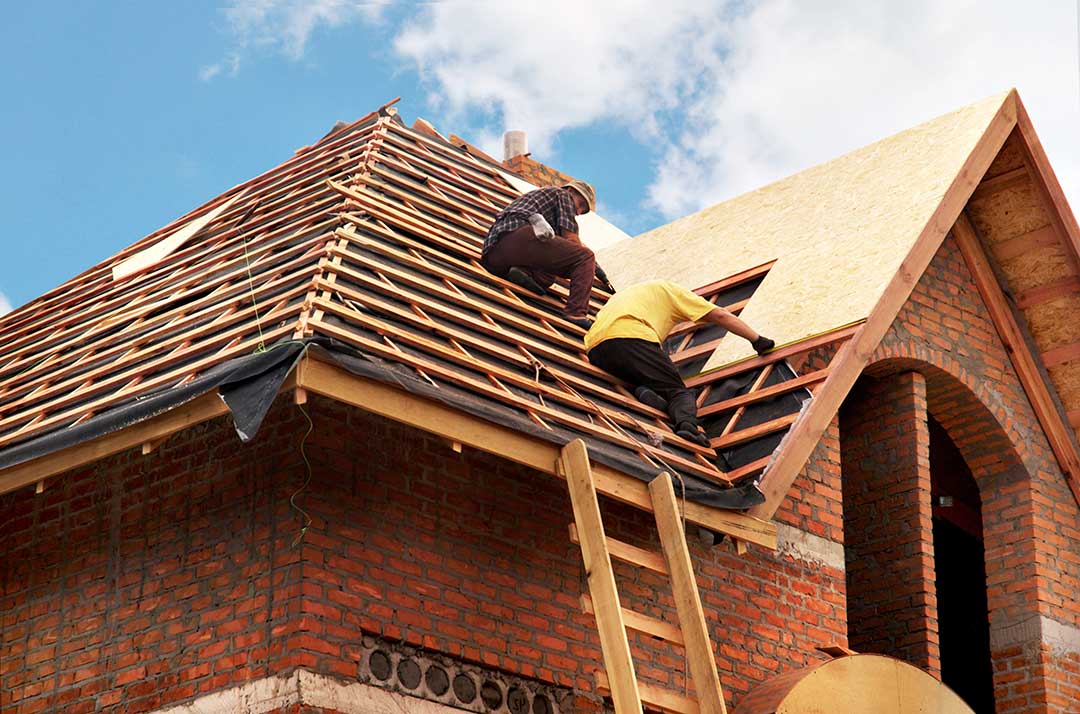
Older homes may lack balanced intake and exhaust vents. Even newer roofs can experience problems if insulation blocks vent openings or if attic air circulation is disrupted by modifications.
Do Local Building Codes Affect Roof Ventilation?
Regulations in and around Seneca Falls set basic standards for roof ventilation to ensure overall home safety and durability. Most codes require a minimum amount of vented area relative to the size of the attic. For residents planning renovations or roof replacement, understanding specific requirements can help avoid costly mistakes.
For most single-family homes in the area:
- Building standards typically call for at least 1 square foot of net free vent area (NFVA) for every 150 square feet of attic floor space.
- This minimum can sometimes be reduced if the attic has a vapor barrier.
It’s sensible to verify specifics through local code enforcement offices or official government resources before starting major roof work.
What Are Common Myths or Mistakes About Roof Ventilation?
A few misunderstandings frequently cause trouble for area homeowners:
- More ventilation is always better: Too many vents, or the wrong configuration, may disrupt airflow or cause weather infiltration.
- All vents are doing their job: Painted-over or insulation-blocked vents are surprisingly common, especially after attic upgrades or insulation work.
- Only necessary for new homes: Many older homes lack proper setup, and evolving local weather patterns make this issue important for everyone.
Carefully evaluating both intake (soffit) and outflow (ridge or gable) vents can help determine if a home is actually getting balanced air movement.
What Practical Steps Can Local Residents Take?
For most households in Seneca Falls, roof ventilation can be monitored and improved with a few practical steps:
- Periodically check attic vents for blockages from insulation, debris, or wildlife nests.
- After snowstorms, watch for unusual icicle or ice dam formation, and inspect attic ceilings for dampness or stains.
- When replacing a roof or upgrading insulation, talk with your installer about ventilation—ensuring intake and exhaust vents are clear and properly balanced.
- Remember that each house is unique; a solution that works for one doesn’t always translate perfectly to another.
Proper roof ventilation protects not just the roof itself but the comfort, efficiency, and longevity of the entire home. Area residents who pay attention to these details are more likely to enjoy durable roofs, manageable energy costs, and healthier indoor environments year-round.
