
How Does Your Roof Affect Home Energy Use in Seneca Falls, NY?
A roof plays a major role in regulating interior temperatures and overall energy use for homes in Seneca Falls, NY. The right roof materials, color, and attic setup can keep homes cooler in summer and warmer in winter, directly affecting heating and cooling bills. Local residents often overlook how much difference the roof makes in year-round comfort.
Seneca Falls experiences four very distinct seasons with hot summers, freezing winters, and dramatic temperature swings in spring and fall. These conditions make energy efficiency especially important—and the roof is a critical component.
What Factors Make a Roof More or Less Energy Efficient?
Several roof-related details determine how well a home retains or sheds heat:
- Material Type: Asphalt shingles, metal, and tile each have different insulating properties.
- Roof Color: Light or reflective roofs absorb less heat, while dark roofs attract and retain warmth.
- Insulation and Ventilation: The amount and placement of attic insulation, along with the effectiveness of attic ventilation, greatly impact efficiency.
- Roof Age and Condition: Older roofs or those with gaps, leaks, or signs of wear are typically less energy efficient.
For families in Seneca Falls, where icy winters drive up heating bills and humid summers require substantial cooling, even small upgrades or repairs to the roof system can yield noticeable savings.
Are Certain Roofing Materials Better for the Local Climate?
Some materials provide better insulation and reflectivity for the climate typical of Seneca Falls. Here’s how common options compare:
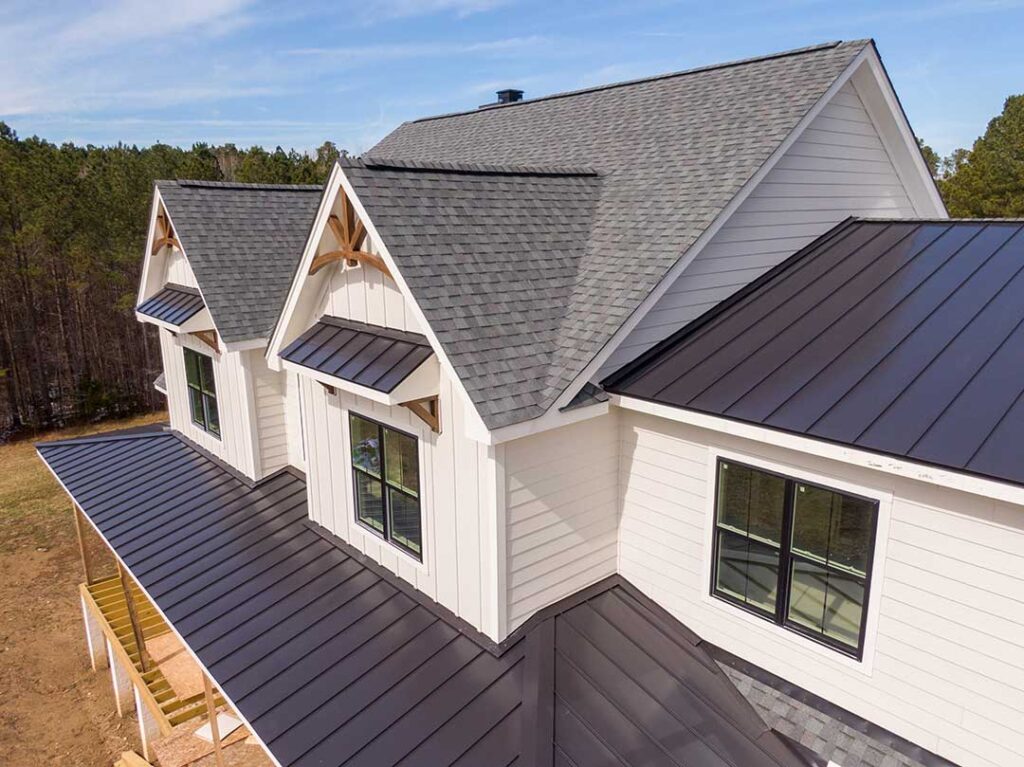
- Asphalt Shingles: Widely used in the region, they offer moderate insulating value but absorb solar heat, which may slightly help with winter heating but can increase summer cooling needs.
- Metal Roofing: Reflects sunlight effectively, reducing summer heat gain. When paired with proper insulation, metal roofs perform well in winter, too.
- Clay or Concrete Tile: Less common in the area due to weight and suitability for colder climates, but they perform well in hot, sunny weather.
Because winter insulation is crucial and solar heat gain can be both a benefit (for cold months) and a drawback (in summer), many households strike a balance—such as choosing lighter shingles with improved attic insulation and air sealing.
How Do Insulation and Ventilation Affect Roof Energy Efficiency?
Attic insulation helps prevent heated or cooled air from escaping. For homes in the local area, a properly insulated attic can mean the difference between comfortable rooms and drafty, often unusable spaces. Inadequate insulation allows heat loss in winter and pushes HVAC systems to work harder.
Ventilation is equally critical. Trapped heat and moisture can cause uncomfortable indoor temperatures, roof ice dams, or even mold. In Seneca Falls, this often means installing soffit and ridge vents to maintain steady airflow, keeping attic temperatures close to outdoor levels in every season.
A few signs of insulation or ventilation problems include:
- Ice dams forming on the roof edge
- Large temperature differences between floors
- High humidity in upper rooms
Does Roof Color Matter for Energy Efficiency?
Color influences how much sunlight a roof absorbs. Darker roofs can help absorb solar energy, potentially lowering heating costs for part of the winter. However, on sunny summer days, dark roofs can result in high attic temperatures and increased air conditioning costs.
In Seneca Falls, the decision is not as simple as always choosing a light or dark color. Homeowners often weigh factors such as orientation, amount of shade, local wind patterns, and neighborhood design standards. In neighborhoods with mature trees, for instance, natural shade may offset the need for highly reflective roofing.
What Upgrades or Repairs Can Improve Roof Energy Performance?
Residents looking to improve energy efficiency can make practical changes such as:
- Sealing leaks, flashing, and gaps, so conditioned air does not escape
- Adding or upgrading attic insulation to meet or exceed energy code recommendations for the climate zone
- Improving ventilation with additional vents, baffles, or fans if attic air seems stagnant or overly hot in summer
- Replacing overly worn, damaged, or curling shingles to restore a tight roof envelope
Often, a combination of these steps makes as much difference as a full roof replacement, especially for those living in historic homes or older neighborhoods in the city.
Are There Common Misconceptions About Roof Energy Efficiency?
Many local residents may believe that only the roof material matters, but neglect insulation and ventilation. Another misconception is that solar panels require a special type of roof; in reality, most existing roofs can accommodate panels if they are in good condition.
Another frequent oversight is not realizing that ice dam issues are often energy problems at their core, originating from heat leaks through the roof rather than outdoor conditions alone.
Local Codes and Incentives: What Should Homeowners Know?
Seneca Falls, like the rest of the region, adopts state energy codes that guide insulation standards and energy performance in new construction and major renovations. Homeowners planning roof work usually must comply with these rules, which are designed to protect residents from excessive energy costs.
In some years, there may be local or state incentives for energy upgrades, including weatherization grants or energy efficiency rebates, but these programs are not always available or may have eligibility requirements. Municipal building department officials or local energy offices can provide updated guidance on these resources.
What Role Do Regular Inspections Play?
Regular checks of the roof and attic help spot problems before they undermine efficiency or lead to costly damage. In Seneca Falls, freeze-thaw cycles, ice, and wind storms can quickly compromise insulation and roofing materials. Addressing minor issues early keeps utility bills manageable and preserves the value of local homes.
