

Why Should Residents of Seneca Falls, NY Prepare Their Roofs Before Winter?
Residents in the community face significant snowfall, ice build-up, and fluctuating temperatures during winter months. Preparing your roof ahead of time protects against leaks, structural damage, and unexpected emergencies once snow and ice arrive. Taking proactive steps helps preserve your home and reduces the chances of costly repairs after storms.
What Should You Inspect on Your Roof in the Fall?
A fall roof inspection helps identify small issues before harsh weather sets in. Focus on visible signs of wear, missing or shifted shingles, cracked flashing around chimneys and vents, and blocked gutters.
- Look for curling, buckling, or missing shingles after windstorms
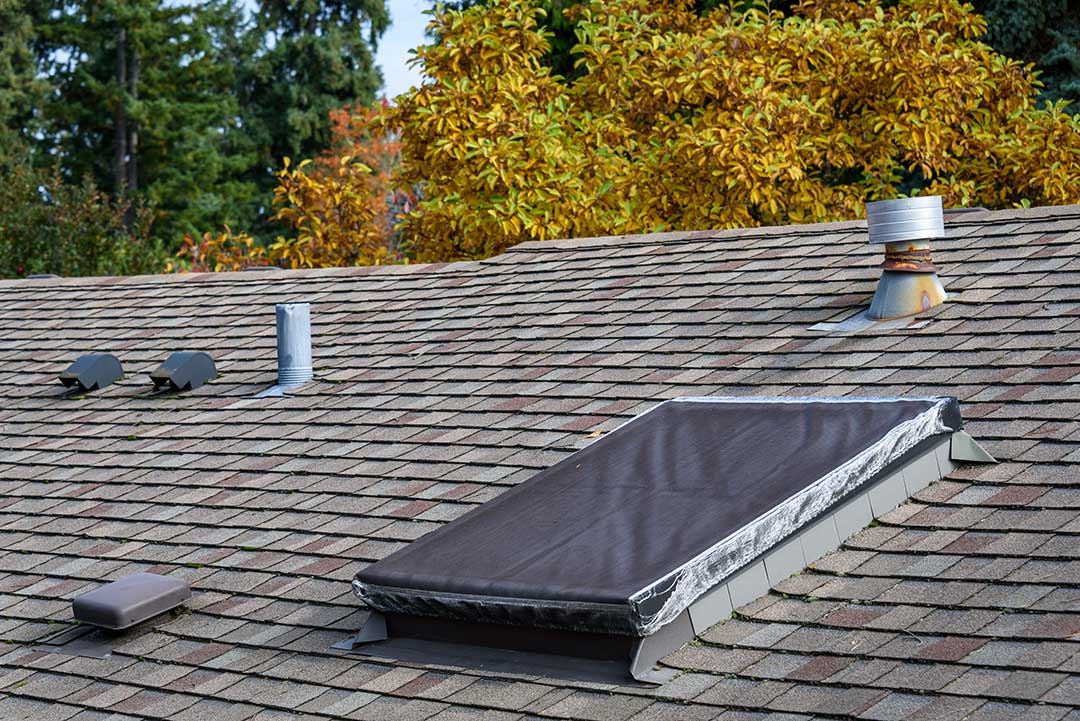
- Examine the flashing at intersections and around skylights for gaps or rust
- Scan for sagging areas; even minor depressions can collect water and freeze
- Clear away branches, leaves, and any debris from the roof surface
It’s safe to do a visual check from the ground using binoculars, but for anything requiring climbing or close inspection, use precaution to avoid injury.
How Do Clean Gutters Protect Your Roof in Winter?
Keeping gutters clear before winter reduces the risk of water backing up under shingles and forming dangerous ice dams. In Seneca Falls, with frequent freeze-thaw cycles, this is especially important.
- Use gloves and a scoop to remove leaves and sludge from gutters
- Flush gutters and downspouts with a garden hose to ensure proper flow
- Confirm downspouts direct water several feet away from the foundation
- Double-check that gutter brackets are secure and free of rust
Neglecting gutter maintenance often leads to overflow and ice build-up along the roof edge, which can damage both the roof and home’s siding.
Should You Trim Trees and Branches Overhanging Your Roof?
Yes, overhanging limbs frequently cause trouble after early winter storms. Heavy, wet snow can cause branches to snap, scraping shingles or even puncturing the roof.
- Trim back tree branches at least 6-10 feet from your roofline when possible
- Remove any dead limbs hanging above the house
- Rake leaves from the yard so wind doesn’t deposit them onto your roof
Regular pruning also helps reduce moss and algae growth by allowing sunlight to dry your roof faster.
What About Attic Insulation and Ventilation?
Proper attic insulation and ventilation lower the risk of ice dams—a common winter problem in snowy regions like Seneca Falls. Ice dams form when uneven roof temperatures cause snow to melt and refreeze at the eaves.
Start by checking your attic:
- Make sure insulation is evenly spread and not compacted
- Add more insulation if you see wood framing above the insulation line
- Ensure attic vents are open, unblocked, and free of spiderwebs or nests
- Look for condensation, mold, or frost on the underside of roof decking
Balanced insulation and ventilation help prevent warm air from escaping your living spaces, limiting snowmelt on your roof.
How Can You Safely Remove Early Snow and Ice?
For single-story homes, homeowners sometimes opt to use a roof rake with an extension handle to gently remove snow from the bottom edge of the roof. Starting from the eave and working upward—never on the roof itself—can help reduce weight and minimize ice dam risk.
- Only rake what you can reach easily from the ground
- Avoid metal tools that may damage shingles or gutters
- Never climb onto a snowy or icy roof due to the risk of slips and falls
On multi-story homes or if significant ice has built up, removing it yourself can be dangerous. In such cases, it is safest not to attempt it without proper equipment or training.
What Common Roof Issues Are Often Overlooked Before Winter?
Some problems might escape notice during a casual glance, but are crucial for a winter-ready roof:
- Small holes left by old antenna brackets or satellite dishes
- Nail pops (raised shingle nails) that can catch snow and allow leaks
- Wear at roof valleys where two sections meet—these handle the highest runoff
- Moss or algae streaks signaling trapped moisture
- Skylight seals that can dry out and crack from age or sun exposure
Addressing minor issues before the season changes can help prevent them from turning into urgent repairs during severe weather.
Are There Weather Patterns in Seneca Falls That Affect Roof Preparation?
Yes, frequent lake-effect snow, high winds, and rapid thaw-refreeze cycles increase roof wear and the risk of ice dams. Many homes in the region have steeper pitches to shed snow more easily, but ice build-up can still occur on eaves or in sheltered roof pockets.
Residents should also be ready for occasional mid-winter rainfalls, which can quickly saturate snow and add weight to the roof. Monitoring your roof for standing water or icicles after each storm helps spot trouble early.
What Records Should Homeowners Keep Regarding Roof Maintenance?
Keeping a simple record of each inspection, cleaning, and repair is helpful for future reference and insurance documentation. Include dates, photos of the roof’s condition, and brief notes about tasks completed. This type of log can also guide next year’s maintenance planning and highlight issues that tend to recur with seasonal changes.
