

Why Is Roof Preparation Essential for Hurricane Season?
Before hurricane season hits, protecting your roof safeguards both your home and the people inside. High winds, torrential rain, and flying debris can cause unexpected leaks or even severe structural damage. Since homes in Seneca Falls, NY are not as frequently exposed to hurricanes as coastal areas, some residents might underestimate their risk. However, severe storms passing through the Finger Lakes region can still bring damaging gusts and heavy downpours, putting older or poorly maintained roofing at particular risk.
What Are Common Local Roofing Vulnerabilities During Storms?
Many area homes have asphalt shingles, aging flashings, and sometimes older roof sheathing, all of which can be vulnerable under hurricane-force winds.
- Shingle lift: Shingles that are loose or not sealed properly can catch wind easily.
- Flashing failures: Metal strips around chimneys or vents may come loose or corrode over time, leading to leaks.
- Clogged gutters: Leaves from nearby trees can clog gutters, causing water to back up under roof edges or into soffits.
- Roof deck weakness: In homes with aging plywood decking, high winds and water intrusion can weaken fasteners and materials.
Knowing these points allows city residents to check the most at-risk areas before storms arrive.
How Can Homeowners Inspect Their Roof Before Hurricane Season?
A careful spring or early summer inspection reveals issues before they worsen.
- Walk the perimeter: From ground level, use binoculars to spot shingles that appear curled, buckled, or missing.
- Check the attic: From inside, look for evidence of leaks, water stains, or damp insulation after storms.
- Examine gutters: Make sure downspouts flow freely, and clear out all debris.
- Inspect flashing: Check that metal pieces at chimneys, skylights, and roof edges do not appear bent, rusted, or loose.
If the roof pitch is steep or the inspection area is high, it’s best to observe from the ground or use a sturdy ladder only when safe to do so—never put personal safety at risk.
Which Maintenance Steps Reduce Roof Damage Risk?
Routine maintenance significantly lowers the chance of roof failure during a strong storm.
- Secure loose shingles: Use roofing adhesive to reseal any slightly lifted shingles.
- Replace missing or badly damaged shingles completely.
- Reinforce flashings: Re-nail or reseal loose flashing using appropriate roofing sealants.
- Trim overhanging branches: Remove tree limbs that could fall onto the roof or scrape shingles in high winds.
- Clean gutters and downspouts thoroughly so heavy rain has a clear drainage path away from the house.
Local weather often includes fast-developing summer storms, so addressing these details before hurricane season serves the community well.
What Materials Should Be Used for Emergency Repairs?
It’s wise to keep a small supply of emergency repair materials on hand, as hardware stores may run low during widespread severe weather. For short-term fixes, area households find it helpful to have:
- Roofing cement or tar for patching small leaks.
- Spare shingles matching the existing roof.
- Roofing nails and a hammer for spot repairs.
- Heavy-duty plastic sheeting or tarps and furring strips to cover large damaged areas until full repairs can be made.
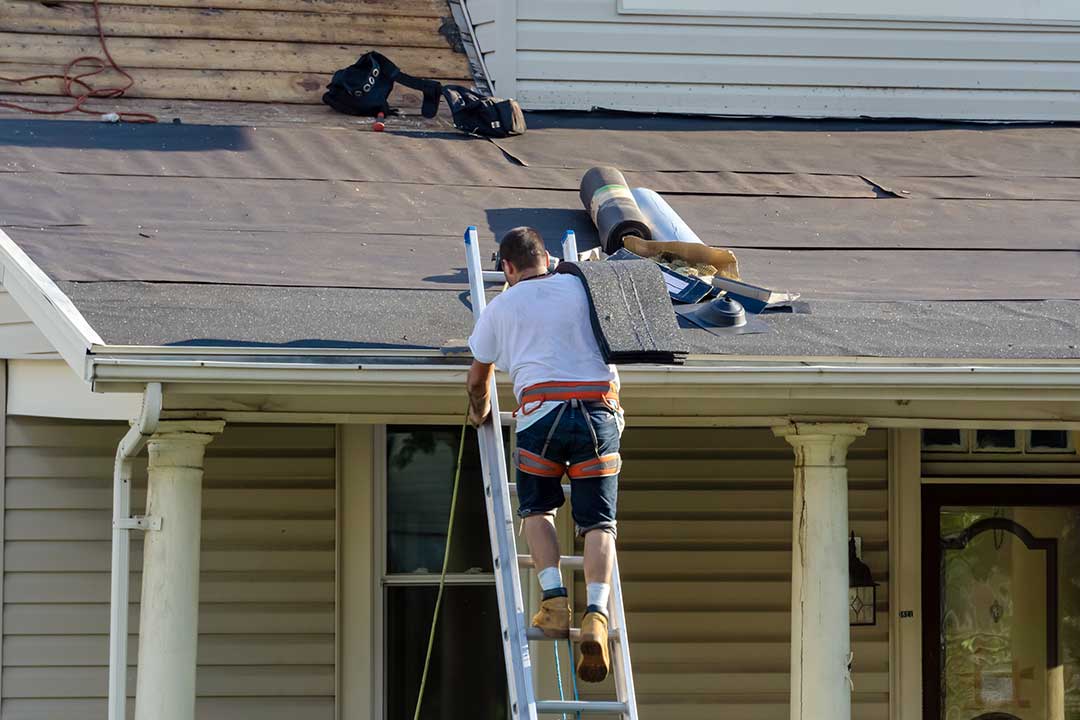
Temporary repairs can reduce water intrusion until more permanent work is possible. However, these measures are not substitutes for proper repairs and should only be used in a pinch.
Are There Building Codes or Local Recommendations to Follow?
Seneca Falls, NY follows New York State building codes, which require permitting and code-appropriate materials for significant roof work. If planning major upgrades or a full replacement, always reference local code requirements—especially regarding shingle attachment methods and wind resistance standards.
- Always check with local code officials before altering roof structure, because improper repairs can reduce insurance eligibility or delay post-storm claims.
- For cosmetic patching or maintenance, permits are usually not necessary, but still use materials rated for Northeast US wind and moisture.
Certain homeowner insurance policies may have specific roof requirements for coverage to remain in effect during hurricane events. Reviewing your policy annually ensures you are aware of any such stipulations.
What Should Be Done Immediately After a Hurricane or Severe Storm?
Once the danger has passed, timely assessment and temporary fixes make a big difference in preventing additional damage.
- Safely check for visible damage from the ground or an upstairs window; look for missing shingles, damaged gutters, or obvious holes.
- Carefully note any leaks or drips inside or around attic spaces.
- Photograph visible damage for insurance purposes before attempting emergency patching.
- Cover any exposed areas with tarps or plastic sheeting to keep further rain out until permanent repairs are arranged.
If there is significant structural damage or downed power lines, avoid entering affected areas and contact the appropriate public safety or municipal authorities.
Are There Common Misconceptions About Roof Safety in Upstate NY?
Some residents assume hurricane-strength winds won’t reach this far inland, leading to delayed maintenance or preparation. Yet, the region occasionally experiences storms with wind gusts well above typical local thresholds. Aging roofs or neglected flashing are often the first sources of leaks during extreme weather, regardless of storm track. Regular, small inspections greatly reduce the long-term risk, and preparedness keeps minor issues from becoming major ones even in milder hurricane seasons.
