

Roof pitch describes how steeply a roof rises compared with how far it extends horizontally. It affects drainage, material choices, attic space, maintenance needs, snow performance, and the overall design of a house.
For homeowners in Seneca Falls, NY, understanding roof pitch can make it easier to interpret inspection reports, compare repair information, recognize potential warning signs, and plan for seasonal conditions. Roof pitch is not just an architectural detail; it influences how a roof handles water, snow, wind, and sunlight.
What does roof pitch mean?
Roof pitch is usually expressed as a ratio, such as 6:12. The first number represents the vertical rise, while the second represents the horizontal run.
A 6:12 roof rises 6 inches for every 12 inches of horizontal distance. A 3:12 roof rises 3 inches over the same 12-inch run, so it is less steep.
Common examples include:
- 2:12: Low-slope roof with limited steepness
- 4:12: Moderate slope found on many residential roofs
- 6:12: Noticeably pitched roof with good water-shedding ability
- 8:12 or higher: Steep roof that may create more attic volume and a stronger visual profile
Although people often use “pitch” and “slope” interchangeably, roofing professionals may distinguish between them. Pitch traditionally compares the entire roof rise with the entire span, while slope compares rise with run. In everyday residential discussions, however, the terms are often used to describe the same general characteristic.
Why does roof pitch matter?
Roof pitch affects how quickly water leaves the roof surface. A steeper roof generally sheds rain more rapidly, while a low-slope roof holds water longer and requires careful attention to drainage and waterproofing.
Pitch also influences:
- The type of roofing materials that can be used
- How much snow may remain on the roof
- The design and ventilation of the attic
- The amount of roof surface exposed to wind
- How safely someone can walk on the roof
- The cost and complexity of maintenance
- The appearance and proportions of the home
A roof’s performance depends on more than pitch alone. Flashing, underlayment, ventilation, gutters, roof geometry, installation quality, and material condition all play significant roles.
How does roof pitch affect rain and snow?
Steeper roofs usually allow rainwater to move toward the eaves more quickly. This can reduce the time water spends around seams, penetrations, and roofing joints. Low-slope roofs depend more heavily on properly sealed surfaces, reliable drainage paths, and correctly designed flashing.
Snow behaves differently. A steep roof may shed snow naturally, but that does not always mean it is safer or easier to manage. Snow can slide suddenly from a steep surface, potentially damaging lower roofs, gutters, landscaping, or objects near the eaves. Snow guards may be used in some designs to control movement, but their suitability depends on the roof system and building layout.
A lower-pitched roof may retain snow for longer periods. That creates additional weight, particularly when snow becomes wet or partially melts and refreezes. The building structure, roof framing, insulation, ventilation, and snow distribution all matter when evaluating winter load.
In Seneca Falls, seasonal freezing and thawing make drainage especially important. Water that enters a small crack or poorly sealed joint can freeze, expand, and gradually worsen the opening.
What roof pitches are common on homes?
Many houses use moderate roof pitches, often in the range of 4:12 to 8:12. Older homes may have roof sections with different pitches, additions may use a lower slope, and porches or garages may not match the main roof.
A home can have several roof pitches at once. For example, the primary roof may be steep enough to create attic space, while an attached section uses a lower slope. This is common in houses that have been expanded or remodeled over time.
Roof pitch can also vary because of architectural style. Gable roofs, hip roofs, dormers, shed roofs, and intersecting roof sections each create different drainage patterns. Valleys where two roof surfaces meet deserve particular attention because they concentrate runoff and may experience more wear.
How can roof pitch be measured?
Roof pitch can be measured from the attic, from the roof edge, or with specialized tools. Measuring from inside the attic is often safer because it avoids walking on the roof.
A basic method uses a level and a ruler:
1. Place a level horizontally against a rafter or roof surface.
2. Measure 12 inches along the level.
3. Measure the vertical distance from that point down to the rafter.
4. The vertical measurement is the first number in the pitch ratio.
For example, if the rafter rises 6 inches over a 12-inch horizontal distance, the roof is approximately 6:12.
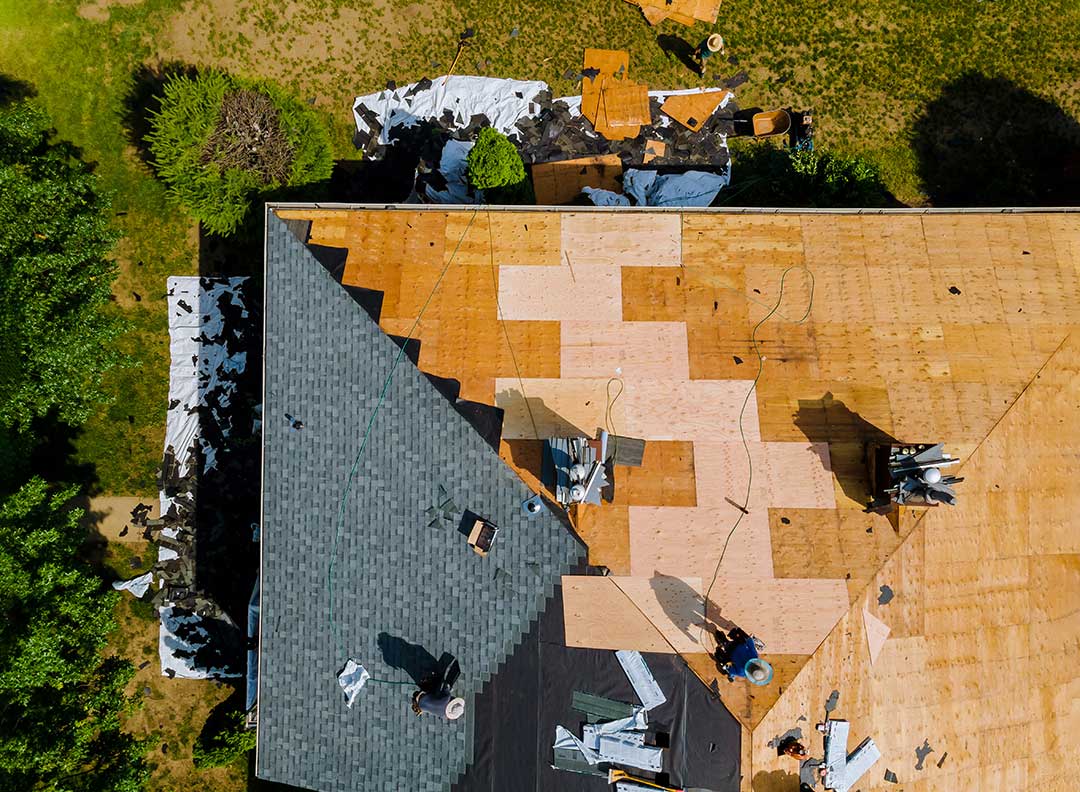
Measurements from the outside can be misleading if the roof surface is uneven, covered with thick materials, or viewed from an angle. Chimneys, dormers, roof layers, and decorative features can also make visual estimates unreliable.
Does roof pitch determine which roofing material can be used?
Roof pitch is one of the factors that may limit material choices. Some roofing systems are suitable for low-slope applications, while others require a minimum slope to shed water properly.
Asphalt shingles, for example, are commonly used on moderate and steep residential slopes, but manufacturer requirements still apply. Low-slope sections may need a membrane or another roofing system designed for reduced drainage speed. Metal roofing, tile, slate, and other materials each have their own installation requirements.
Material selection should account for the complete roof design, including valleys, penetrations, eaves, ventilation, flashing, and transitions between different slopes. Using a material outside its approved slope range can increase the risk of leaks even if the roof looks sound at first.
Does a steeper roof always perform better?
No. A steeper roof can shed water efficiently, but it may be more exposed to wind and more difficult to inspect or maintain safely. Steep surfaces also create greater fall hazards and may require specialized access equipment.
A low-slope roof is not automatically defective. It simply depends more on continuous waterproofing, proper drainage, carefully sealed penetrations, and regular observation of ponding or surface deterioration.
The most suitable pitch depends on the building’s structure, climate, architectural design, materials, drainage system, and maintenance history. There is no single roof pitch that is ideal for every home.
What problems can roof pitch reveal?
Roof pitch can help explain why certain areas of a roof experience repeated trouble. Warning signs may include:
- Water pooling on a low-slope section
- Staining near valleys or roof-to-wall transitions
- Ice buildup along eaves during freeze-thaw periods
- Shifting or damaged gutters
- Snow sliding unexpectedly from a steep roof
- Interior staining near dormers, chimneys, or ceiling transitions
- Uneven roof lines suggesting framing movement
A roof with several intersecting slopes may have more valleys and flashing joints, which increases the number of areas that require careful inspection. Repeated leaks in one location may reflect a drainage or design issue rather than a problem with the visible roofing material alone.
What should homeowners remember?
Roof pitch is a practical measurement that helps explain how a roof manages water, snow, materials, access, and maintenance. It should be considered alongside roof age, surface condition, ventilation, insulation, flashing, gutters, and structural framing.
For local households, seasonal observation is useful. After heavy rain, look for unusual runoff, overflowing gutters, or interior dampness. After snow and freezing weather, watch for persistent ice buildup, displaced materials, or water stains that appear during thawing. These observations do not identify the exact cause, but they can provide valuable information for future maintenance decisions.
A roof does not need to be extremely steep to work well. It needs a pitch and drainage design suited to its materials, structure, and local weather conditions.
