
Why effective roof drainage matters
Good roof drainage moves rain, melting snow, and ice away from the roof surface, exterior walls, foundation, and walkways. In Seneca Falls, NY, drainage systems must also handle freeze-thaw cycles, lake-effect moisture, spring runoff, and heavy summer thunderstorms.
A roof may be structurally sound yet still develop problems if water is allowed to collect or discharge too close to the building. Common results include:
- Leaking roof edges and ceilings
- Rot at fascia boards, soffits, and roof sheathing
- Basement or crawl-space moisture
- Erosion around the foundation
- Ice buildup along eaves
- Staining and deterioration of siding
- Slippery walkways near downspout outlets
Drainage is not limited to gutters. The roof slope, flashing, valleys, gutters, downspouts, extensions, grading, and underground drainage all work together.
How should a roof be designed to shed water?
A roof should provide a continuous path from the highest surfaces to a safe discharge point on the ground or into an approved drainage system. Water should not depend on a single component.
The basic drainage path is:
1. Roof slope directs water toward eaves, valleys, or internal drains.
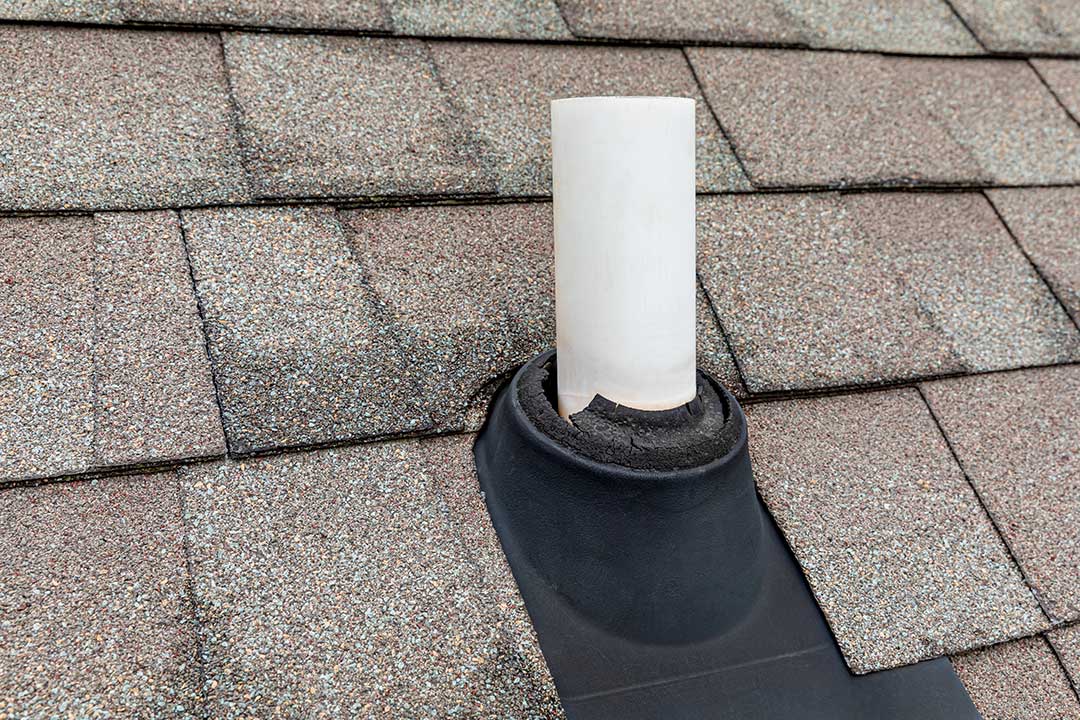
2. Flashing guides water around chimneys, walls, skylights, and roof intersections.
3. Gutters collect runoff along the lower roof edges.
4. Downspouts carry water vertically to the ground.
5. Extensions or drainage piping move water away from the foundation.
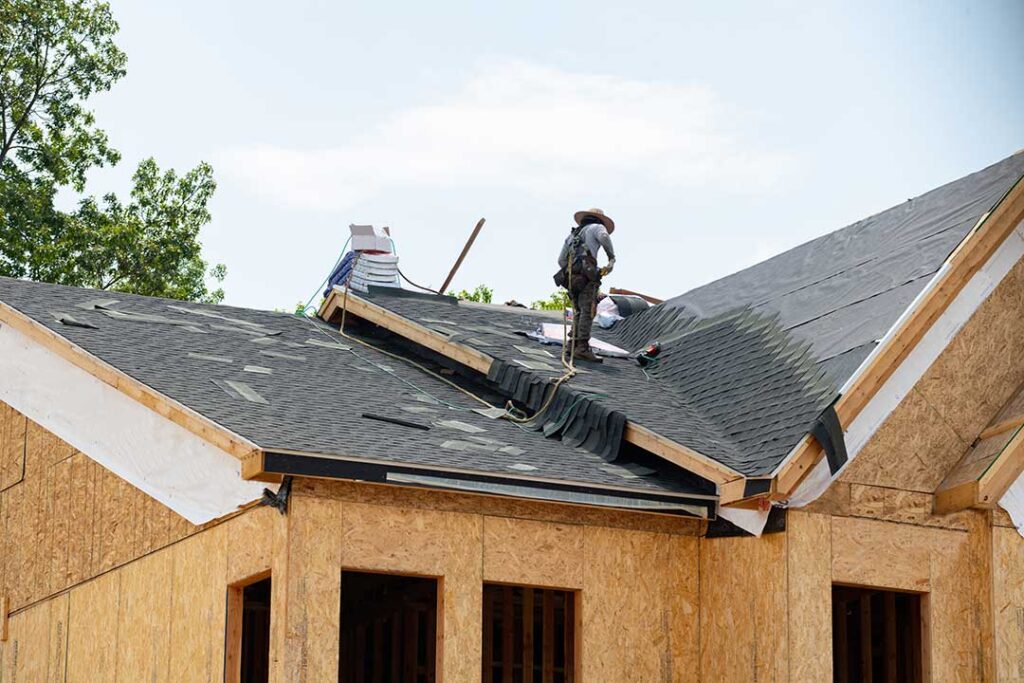
Roof valleys deserve particular attention because they concentrate runoff. Leaves, branches, ice, and roofing debris can block a valley more quickly than a broad roof surface. Valley flashing should remain properly installed and free of damage, while nearby gutters and downspouts should be able to handle the extra flow.
A roof with a low slope may drain more slowly than a steep roof, especially during heavy rain. Low-slope sections require careful attention to seams, flashing, drainage outlets, and areas where water could remain after a storm.
What gutter practices help prevent drainage problems?
Gutters should be sized, sloped, supported, and connected so water flows steadily toward downspouts. They should not appear level from end to end; a slight pitch is needed to move water toward the outlets.
Useful maintenance practices include:
- Remove leaves, roof granules, twigs, and compacted debris.
- Check that gutters remain attached to the fascia without sagging.
- Inspect seams and end caps for leaks.
- Make sure downspout outlets are not blocked.
- Look for water marks below the gutter, which may indicate overflow.
- Confirm that splashback is not wetting siding or trim.
Gutter guards can reduce debris entry, but they do not eliminate maintenance. Small roof granules, seeds, pine needles, and ice can still interfere with water flow. Some guard designs also require cleaning from above or below.
A gutter that overflows during ordinary rain may be clogged, undersized, improperly pitched, or receiving more water than its downspout arrangement can manage. Overflow at a valley often indicates that concentrated roof runoff is reaching the gutter too quickly for the existing setup.
How far should downspouts discharge water?
Downspouts should release water far enough away from the foundation that runoff does not immediately return against the wall. The correct distance depends on soil, slope, landscaping, foundation type, and whether the outlet connects to a drainage system.
A short discharge may be inadequate if:
- The ground slopes toward the house.
- The soil drains slowly.
- The basement or crawl space has a history of dampness.
- The outlet sits beside a walkway or driveway.
- Snow and ice repeatedly block the discharge point.
- Water collects near a window well.
Downspout extensions should remain connected during heavy weather and should not create a tripping hazard. Flexible extensions can shift, collapse, or become buried in snow. Rigid extensions or properly installed underground drainage may provide a more dependable path, but underground systems require suitable slope, outlet conditions, and protection from freezing.
Never direct roof runoff onto a neighboring property, public walkway, septic area, or location where it can undermine a retaining wall.
What should homeowners know about snow and ice?
Snow should not be treated as a drainage problem only after it melts. Snow loads, ice dams, blocked gutters, and frozen downspouts can all change how water moves across a roof.
Ice dams form when melting roof snow refreezes near colder eaves. The ice can obstruct drainage and allow water to move beneath roofing materials. They are more likely where attic heat escapes unevenly, roof edges are poorly ventilated, or gutters are filled with debris.
Helpful preventive measures include:
- Keep attic insulation reasonably even and reduce unwanted air leakage from the living space.
- Maintain clear soffit and roof ventilation pathways where the roof design includes them.
- Remove gutter debris before winter weather.
- Watch for recurring ice buildup in the same location.
- Avoid chipping ice aggressively, which can damage shingles, flashing, and gutters.
Heavy snow removal from a roof can be hazardous and may damage roofing materials if performed incorrectly. A roof with unusual sagging, severe ice accumulation, or suspected structural stress should be treated as a safety concern rather than a routine maintenance task.
How does ground grading affect roof drainage?
Roof drainage cannot work properly if the surrounding ground sends water back toward the house. Soil near the foundation should generally slope away from the building rather than forming a depression beside the wall.
Check the area below downspouts and along foundation walls for:
- Muddy soil or persistent puddles
- Washed-out mulch or exposed roots
- Cracks caused by erosion
- Water stains on foundation walls
- Dampness after the rest of the yard has dried
- Soil that has settled beneath a discharge outlet
Landscaping can also interfere with drainage. Dense plantings may hide damaged downspouts, while mulch can cover outlets and cause water to spread unpredictably. Decorative edging, patios, walkways, and additions should not block the intended drainage route.
When is roof drainage damage more than a maintenance issue?
Some conditions require more than cleaning a gutter. Persistent interior leaks, rotten roof edges, separated flashing, recurring ice dams, or standing water on a low-slope roof may indicate a design or installation problem.
Warning signs include:
- Water entering at a ceiling or upper wall
- Peeling paint near roof edges
- Dark stains on fascia or soffits
- Gutters pulling away from the building
- Repeated overflow at the same valley
- Water pooling beside the foundation
- Downspouts that freeze or back up regularly
- Roof areas that remain wet long after nearby sections dry
Work on steep roofs, icy surfaces, unstable ladders, and damaged electrical areas presents real safety risks. Building-code requirements may also apply when drainage systems are altered, especially where runoff is connected to underground piping or affects structural roof work. Hazardous conditions and suspected structural damage warrant evaluation by a qualified roofing or building professional.
A practical seasonal drainage routine
A simple inspection schedule can prevent many drainage failures:
- Spring: Check for winter damage, loose gutters, displaced extensions, and erosion.
- Summer: Inspect after intense thunderstorms for overflow, leaks, and pooling.
- Autumn: Clear leaves and confirm that downspouts remain open before freezing weather.
- Winter: Watch for ice dams, heavy snow accumulation, and frozen discharge points.
After major storms, inspect the ground as well as the roof edge. Fresh soil erosion, wet foundation walls, or water collecting in an unexpected location can reveal a drainage problem before it becomes an interior leak.
