
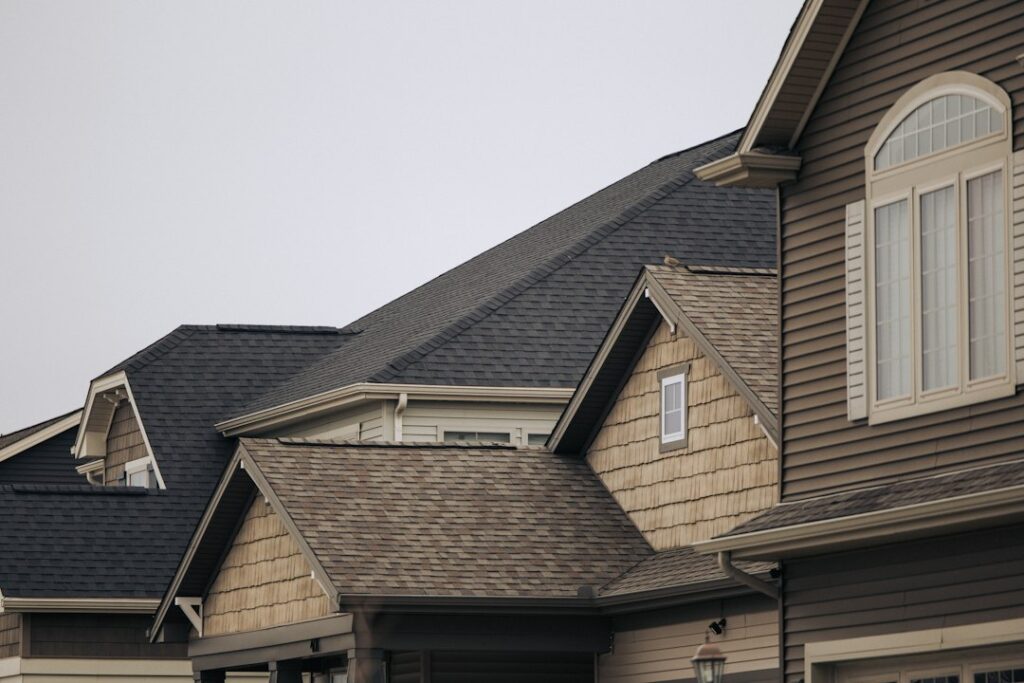
A roof color affects more than curb appeal. It can influence how large a house appears, how well exterior materials work together, how much heat the roof absorbs, and how easily future changes to siding, trim, or landscaping will coordinate.
For homeowners in Seneca Falls, NY, the most reliable choice usually comes from balancing appearance with the home’s architecture, surrounding setting, seasonal conditions, and long-term maintenance needs.
Which roof colors work well with common home styles?
The best roof color usually supports the home’s design rather than competing with it. Traditional homes often look balanced with familiar, understated shades, while newer or more contemporary houses may support stronger contrast.
Consider the visual character of the building:
- Colonial and traditional homes often pair well with charcoal, weathered gray, brown, or muted black roofing.
- Ranch homes can look grounded with medium gray, brown, or blended earth tones.
- Farmhouse-style homes may work well with dark gray, brown, or subdued green-gray shades.
- Brick homes typically coordinate with charcoal, brown, slate-like gray, or mixed-color shingles.
- Homes with stone or masonry details often benefit from a roof color that repeats one of the darker tones in the stone.
- Modern homes can support deeper black, cool gray, or carefully selected mixed-color roofing.
Roof color should also match the roof’s visual weight. A very dark roof can make a small or low-profile home appear more compact, while a lighter roof may make the structure feel broader. On a tall or large house, a darker roof can provide a strong visual anchor.
How should the roof color coordinate with siding, brick, and trim?
Roofing does not need to match the siding exactly. In most cases, a roof that is slightly darker than the main exterior creates a more natural and finished appearance.
A useful approach is to identify the dominant exterior colors:
- Light gray or white siding can work with charcoal, medium gray, brown, or certain muted greens.
- Beige, tan, or cream siding often coordinates with brown, weathered wood tones, or warm gray.
- Blue or cool gray siding generally looks more consistent with charcoal, slate gray, or other cool-toned roofing.
- Red, brown, or orange brick often pairs well with dark brown, charcoal, or blended roofs that contain related undertones.
- Green siding may work with brown, dark gray, or subdued green-gray roofing, depending on the trim.
Pay attention to undertones. A roof may look gray from a distance but contain blue, brown, or green tones up close. Those underlying colors become more noticeable next to siding and trim.
White trim provides flexibility, but colored trim creates stronger restrictions. A roof that looks attractive beside neutral trim may clash with red shutters, blue doors, or strongly colored siding.
Does the local climate affect roof color?
Roof color does not determine whether a roof can withstand snow, wind, or rain. Installation quality, ventilation, underlayment, flashing, drainage, and material selection have a much greater effect on performance.
Color can still influence surface temperature. Dark roofing generally absorbs more solar energy than light roofing, while lighter colors reflect more sunlight. In a cold-weather community with warm summers, this difference is usually only one consideration among many.
For homes exposed to heavy summer sun, a lighter or medium-toned roof may reduce heat gain compared with a very dark roof. However, attic insulation and ventilation often have a larger effect on indoor comfort and energy use.
Snow appearance is another practical factor. Light-colored roofs may make accumulated snow less visually distinct, while dark roofs can create stronger contrast between the roof surface and snow. Neither color prevents snow accumulation or makes roof snow removal automatically safer.
Should a roof be lighter or darker than the house?
A roof that is darker than the siding is a common and dependable choice, but it is not a strict rule. The right contrast depends on the size, shape, and visual balance of the home.
A darker roof can:
- Make a light exterior look more defined
- Emphasize rooflines and dormers
- Add visual weight to a tall or narrow house
- Coordinate well with dark shutters, doors, or gutters
A lighter or medium roof can:
- Soften the appearance of a large roof area
- Make a smaller home seem less visually compressed
- Blend more easily with light siding and natural surroundings
- Reduce the stark contrast created by very dark materials
Homes with complicated rooflines may benefit from a quieter color. A highly varied roof pattern can make multiple dormers, valleys, and intersecting slopes appear busy. Simpler roof shapes can tolerate more variation.
How do roof samples differ from the finished roof?

Small samples can be misleading. A roof covers a large surface, and the color will usually appear more prominent once installed.
View samples in several conditions:
- Direct sunlight
- Cloudy daylight
- Morning and afternoon light
- From the street rather than only at close range
- Beside the actual siding, brick, trim, and exterior doors
Shingle colors are often made from multiple granules rather than one solid shade. A blended roof may look different from a few feet away than it does from across the street. Some colors also appear warmer or cooler depending on nearby landscaping, foundation materials, and neighboring homes.
If possible, compare a larger sample or a small installed section. Digital images can help narrow the choices, but screens may display colors inaccurately.
Is a black roof a practical choice?
Black and near-black roofs can provide a clean, formal appearance, especially on homes with white, gray, or sharply contrasting trim. They also tend to hide some surface discoloration better than very light roofing.
The drawbacks are mainly visual and thermal. A black roof can dominate a small house, make a large roof area feel heavier, and absorb more solar heat than lighter shades. It may also show pale debris, salt residue, or snow more clearly.
A deep charcoal color can offer a similar appearance with slightly less visual intensity. This is often useful when true black feels too stark for the home’s siding or surrounding landscape.
Do roof colors affect resale value?
Roof color can influence buyer impressions, but there is no universally best color for resale. Neutral, widely compatible shades are usually easier for future owners to accept than highly unusual or strongly personalized colors.
If a home may be sold later, consider:
- Whether the color works with more than one siding color
- Whether it fits the architectural style
- Whether replacement doors, trim, or gutters can coordinate easily
- Whether the roof looks appropriate from the street
- Whether the color is likely to appear dated quickly
A roof color that complements the property’s existing materials is generally a safer long-term choice than one selected only because it is currently fashionable.
What other exterior details should be considered?
A roof is viewed alongside gutters, fascia, soffits, shutters, doors, porches, walkways, landscaping, and nearby structures. These details can shift how the roof color is perceived.
Gutters and metal flashing are often less visually noticeable when they coordinate with the roof or trim. Brightly contrasting gutters can outline the roof edge, which may be desirable on some homes but distracting on others.
Consider seasonal views as well. In Seneca Falls, the property may look very different against summer greenery, autumn foliage, and winter snow. A roof color that works only in one season may feel less balanced during the rest of the year.
The most dependable selection is usually a color that supports the home’s architecture, repeats an existing exterior tone, provides enough contrast to define the roofline, and remains comfortable to live with through every season.
